Advisory & Roadmapping
Challenge
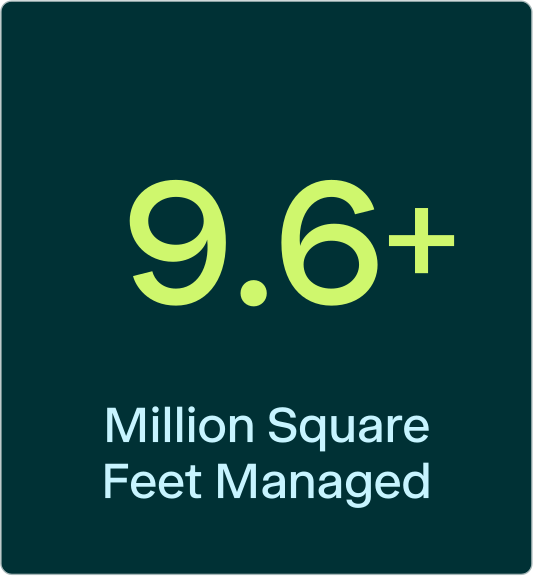
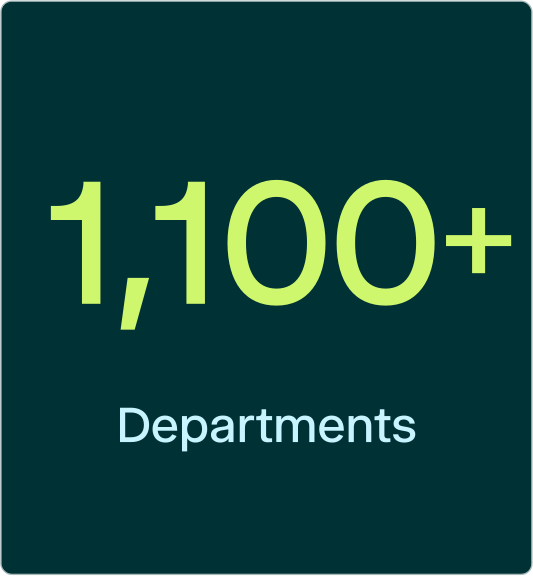
Having grown from 2.2M square feet to over 9M sf, a leading academic medical healthcare system faced the complexity of managing almost 43,000 rooms serving 1,100 departments in facilities throughout Ohio, Kentucky, and Indiana. This growth in their services and physical footprint demanded a flexible, automated solution for tracking departmental space usage and ownership in real time. A critical requirement was accurately documenting research space ownership to ensure precise grant reporting and maximize funding opportunities. Since 1998, we’ve been their trusted partner to implement and manage Archibus for enterprise space management.
Approach
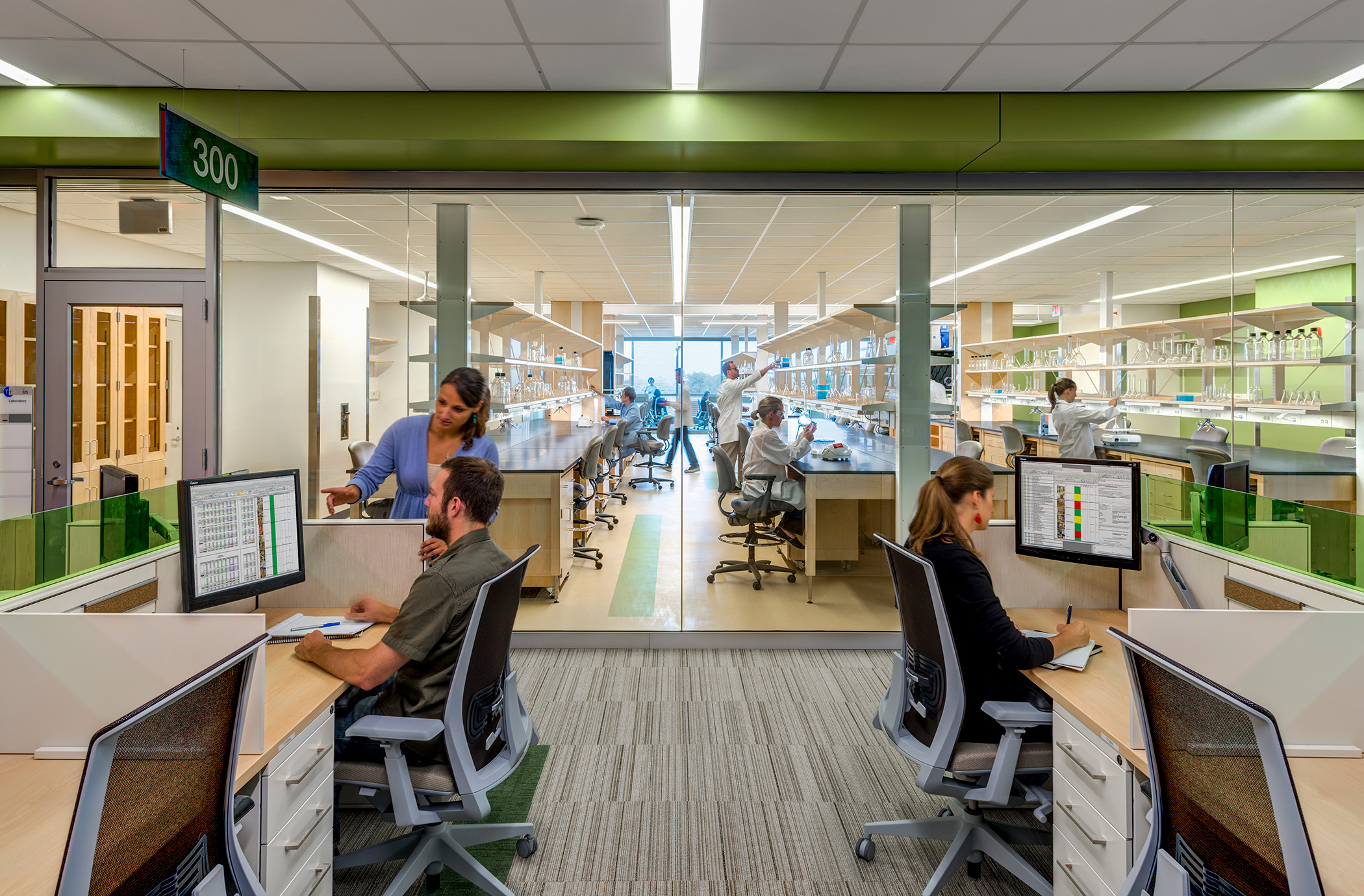
Leveraging Archibus’ space management capabilities, Atmys has worked to ensure Principal Investigator (PI) data is captured at the room level—which departments are using which spaces, and how often—and to better answer the question “are researchers using all the space assigned to them?” This integration has provided a single source of truth with real-time visibility, streamlined move planning, and enabled accurate grant management documentation, all within a single platform.
At large healthcare institutions involved in research, attracting highly desired PIs is helped by an accurate understanding of how current space is being used for different research disciplines and how much more space could or should be allocated. Implementing enterprise space management and leveraging Atmys’ guidance for best practices using it, allow them to answer questions like…
“How many PIs do we currently have assigned to cardiology?”
“How much space can we offer the leading researcher in this field?”
“Which research disciplines currently have openings for incoming clinical fellows?”
Beyond research, informed use of enterprise space management empowers confident decision-making around space usage across a health system’s growth strategy by providing quick answers to questions like…
“How much of our real estate is currently being used by oncology?”
“Are our existing exam rooms at full occupancy?”
“Dermatology wants more space. Is it efficiently using all the space it currently owns?”
We not only helped them establish a single source of truth for questions like these, we helped them set standards for how data should be entered and maintained so it stayed trustworthy. Working across different departments we were able to create a map of who owned what, how information would flow, and what governance looked like. Through a steady cadence of check-ins, we coached them through new processes and reinforced good habits.
Impact
Space management has helped this healthcare organization document space owned by research to ensure precise grant reporting and maximize funding opportunities. It has helped to align organizational stakeholders around a single source of truth for space use data. It has reduced missing and duplicative data so key performance metrics are accurately counted. It serves as a data-driven, neutral third party, providing checks and balances independent of space owners within facilities. PIs don’t have to track down spreadsheets, binders, or departmental administrators just to know where their teams are assigned. We’ve enabled them to instantly see which labs, benches, or offices they control, who else shares them, and if there is capacity for incoming fellows or grant collaborators. This clarity gives them back time to focus on their research. Grant administrators are freed from manually reconciling mismatched spreadsheets tracking PI occupancy. Instead, they can quickly generate accurate reports for compliance, budgeting, or upcoming grant proposals and applications.
Knowing who was where and when has helped this organization renovate and grow their facilities with confidence. Today, they track nearly 5x more space than they did 25 years ago, but now they can do it daily, in real time.