Data Sharing & Collaboration Tools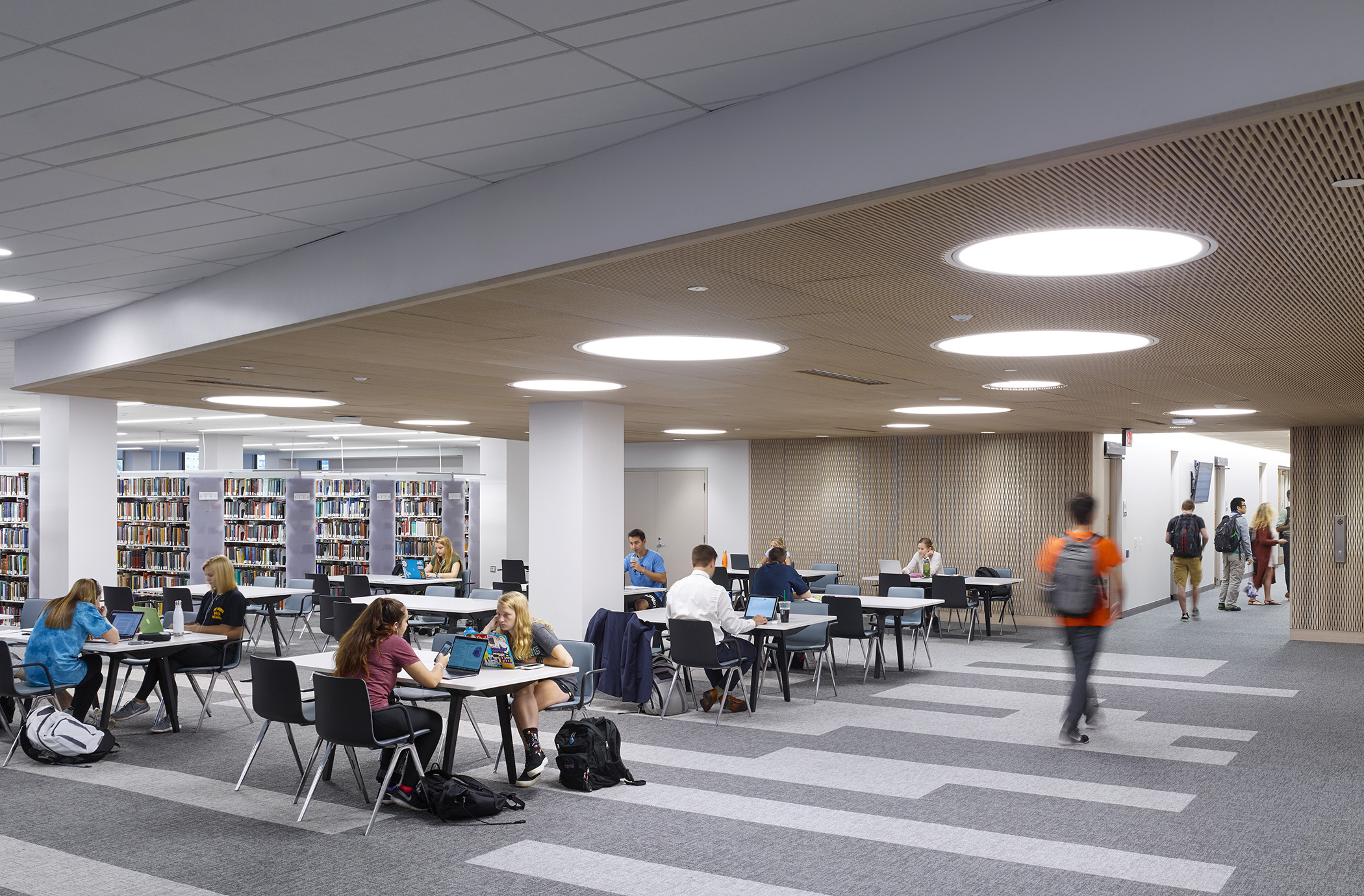
Challenge
How do you translate feelings into square footage? How do you ensure your square footage supports your vision and mission? Like many organizations, academic libraries can face challenges in aligning project goals and visions with concrete spatial program requirements. There is an ongoing need for engaging and interactive ways to benchmark spatial programming and facilitate informed decision-making.
Approach
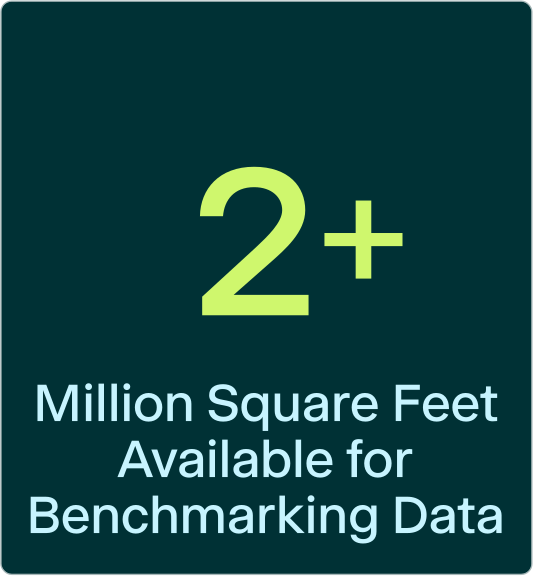
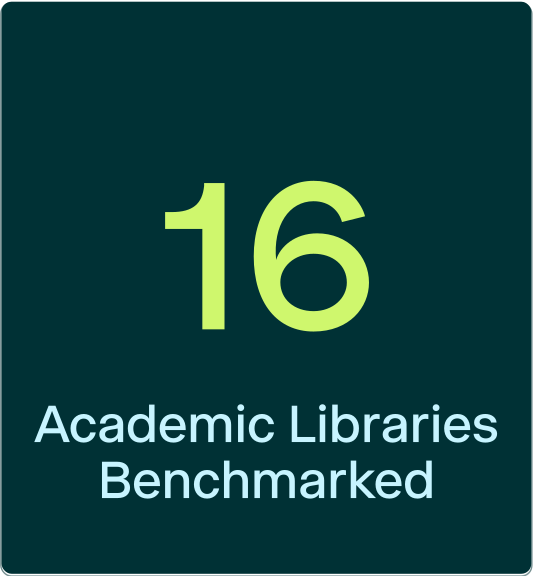
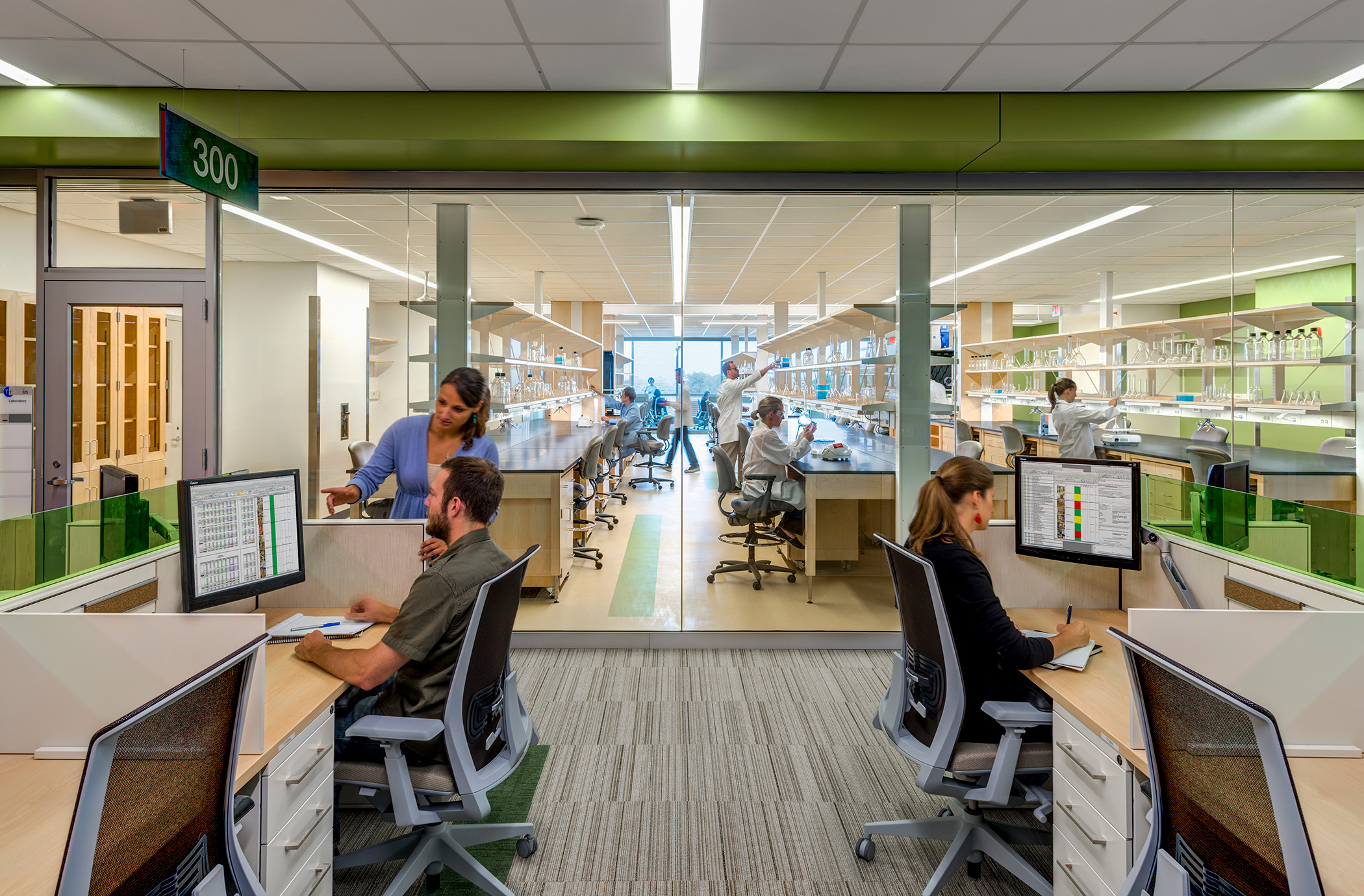
Atmys collaborated with the architects, designers, and research team at GBBN to build a tool to help academic library clients translate their visions for the future into actionable space data. The initiative started by amassing data from leading academic libraries, including both GBBN’s work and other campus libraries, to create a comprehensive database. The team looked at how their buildings were composed, such as what percentage of space is allotted to books, social areas, collaborative zones, makerspaces, cafes, etc. Library mission statements were aligned with these attributes.
Depending on the desired renovation goals, design could emphasize more social space, higher sustainability, or better connection to the rest of campus. This helps “personify” a library. For example, if library leadership cares most strongly about building better peer-to-peer connections for students, the Co-LAB app suggests space allocation to help achieve that. In this case, by suggesting that a greater percentage of the program be for small-scale study space for 2-4 people. Pretty neat, right?
Impact
Using an engaging, accessible interface, the app helps academic library clients convert mission-level aspirations (community building, research strength, sustainability, etc.) into a tangible space program. Because the tool benchmarks against leading academic libraries, clients gain a trusted reference point. They can see how their choices compare to national peers. It helps clients articulate their priorities, clarify what they value most (student success, collection access, collaboration, etc.), and ultimately allocate space accordingly.
Additionally, a shared, data-backed tool gives library leadership, staff, and campus partners, a common language. By showing the impact of certain choices, the Co-LAB app can help align a diverse group of stakeholders. Because the tool produces actionable space data quickly, a library design team can begin concept work sooner, explore alternatives faster, and move more efficiently through programming. This helps align a library’s goals to space requirements. It’s not a substitute for a full programming exercise, but it helps define the parameters of space within the context of project goals.
Co-LAB is just one example of Atmys’ wider capability. We can develop custom tools that help organizations, across a wide variety of industries, clarify priorities, compare options, and make informed decisions.