Data/Systems Integration & Reporting
  Lease Administration & Real Estate Portfolio Management
Challenge
One of the largest pediatric hospitals in the nation needed a more efficient way to manage over 8M sf of leased and owned facility space and over 3M in leased parking across 15 service locations. Lease information existed in varied file formats, including text Word documents, scanned pdfs, and spreadsheets. These were scattered throughout flat files, an out-of-date database, and several different digital platforms. This approach to lease management lacked consistency with different departments using different column names, field names, and lease start/stop dates. Duplicate information was a common occurrence (think lease information for the same facility living in two different spreadsheets). Without a single source of truth, it was difficult to track obligations, validate data, and negotiate effectively.
Approach
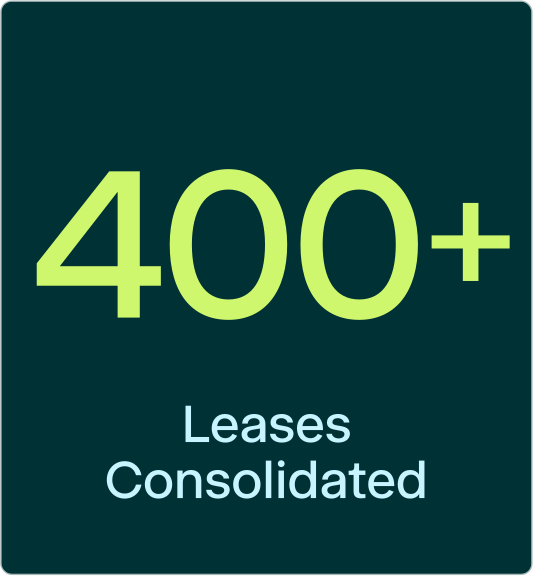
When this client first reached out to Atmys in 2017 to implement Archibus, a web-based, integrated workplace management system, our team worked closely with their real estate, facilities, engineering, and accounting teams to standardize the data, consolidate more than 400 leases into a single, unified record and integrate that information directly into Archibus. By linking the lease data to their existing floorplans, we provided a clear, visual representation of leased space, enabling accuracy and alignment across the organization.
By conducting training sessions for their real estate and finance teams, we shared best practices around how to keep lease records structured consistently, establish rules to catch incorrect data, and set governance steps so new leases got integrated into their single source of truth system and out of disparate spreadsheets, forgotten digital directories, and filing cabinets. We also created automatic ‘smart alerts’ allowing end users to proactively manage their leases.
Impact
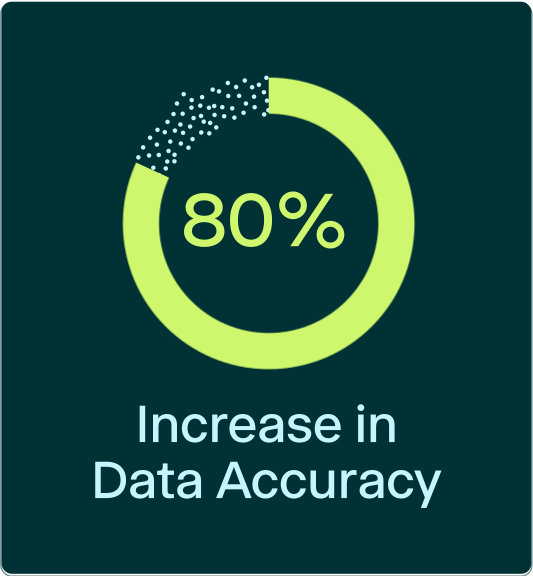
By delivering a single, standardized system of record for both space and lease management, this solution led to increased accuracy of their leased space data by over 80%. This enabled more informed decision making. Having everything in one place allows them to easily digest all leases coming due in the coming quarter (something they had never seen lined up side-by-side before). This enabled them to negotiate renewals in bulk instead of as one-offs, which saved both time and money.
When it comes to lease management, a universal challenge is the blurred lines between landlord versus tenant responsibilities. By pulling all their lease data into a single platform, the organization discovered several cases where they were paying for maintenance the landlord was contractually obligated for; clarifying responsibilities helped them save ongoing costs.
It’s hard to see clearly when data is scattered and inconsistent. Establishing a single source of truth and empowering users with tools and techniques for maintaining it can make all the difference.